
The picture for Labour ahead of this year’s local elections couldn’t be much worse, with the party trailing behind Reform UK, the Greens and the Conservatives in national polls and an embattled Keir Starmer facing calls to resign over the Mandelson appointment scandal. With the highs of the 2024 general election already a distant memory, the party won its lowest proportion of seats for over 20 years in last year’s locals as Reform surged to victory by gaining over 40% of the available seats and taking control of 10 councils.
The Conservatives also suffered big losses in 2025, losing control of 16 councils and seeing a large decline in vote share against the previous year. Voter fatigue with the two main parties and the strong performances at the polls by the Liberal Democrats and Greens meant no party had an overall majority of councillors last year, with a record high number of councils under no overall control. There’s a strong likelihood of this trend continuing if Reform, as expected, gains significant numbers of seats in traditional Labour and Tory strongholds and the Greens, Lib Dems and independents hoover up disillusioned voters elsewhere.
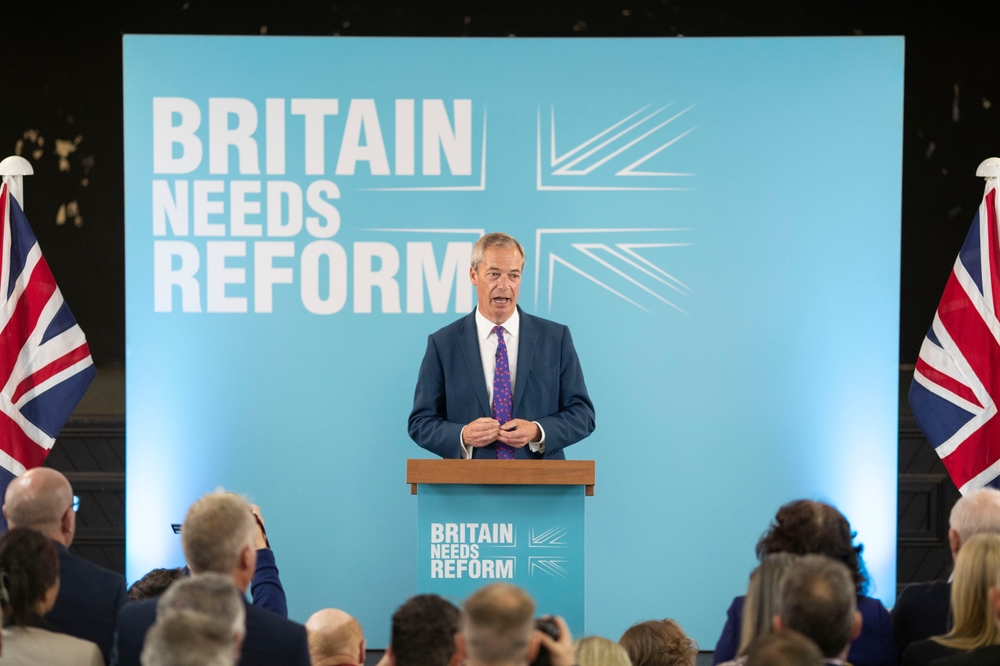
Reform UK are expected to be the big winners on May 7, looking set to not only pick up councillors across the country, but also to gain control of Essex, Suffolk, and Norfolk County councils as their grip on the East of England tightens. A mixture of Nigel Farage’s personal popularity, the party’s hardline stance on immigration, and the capitulation of the Conservative Party during their time in opposition, has led to a surge in the polls for the far-right party. Polling data suggests that they could gain over 1,200 new councillors across England, including in traditional Red Wall locations in the North East and the West Midlands and rival Labour for the most-represented party at local level.
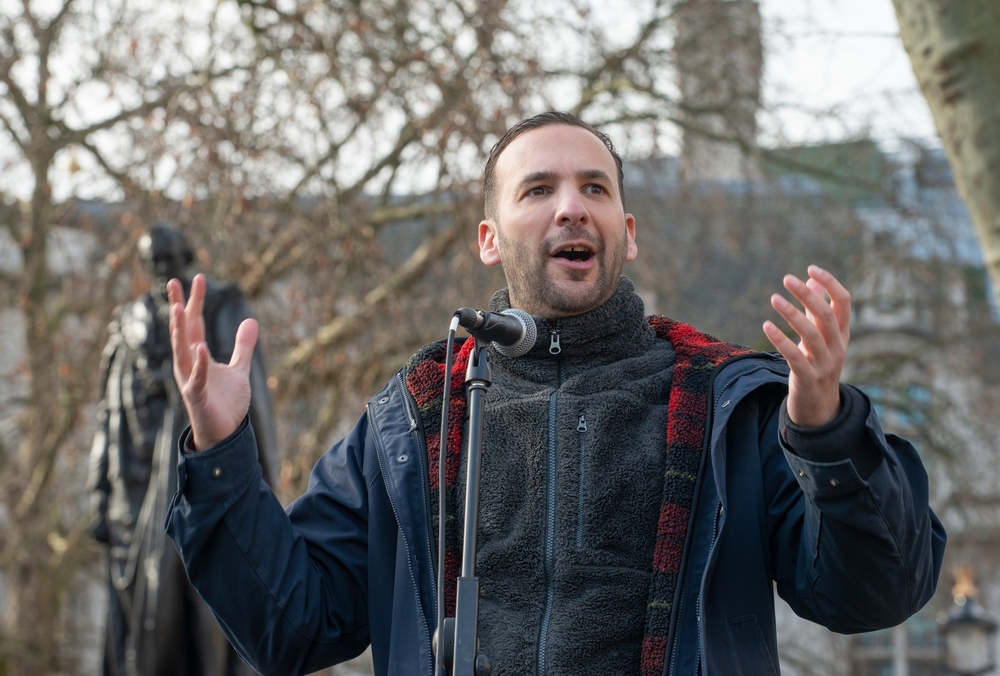
In what has arguably already been the best year in Green Party history, the local elections picture also gives the progressive environmentalists reason to be positive. Since London Assemblymember Zack Polanski became leader, the party has surpassed 220,000 members nationally and won the Gorton and Denton by-election, which saw Hannah Spencer become the party’s fifth MP. Green councillors are expected to be elected in many urban centres across England, including London, Manchester, and Newcastle. Their pro-Palestine stance and policies on taxing wealth and shifting toward renewable energy, have proved popular among left-wing former Labour voters. Turnout may prove to be their only real concern, with the majority of their vote share coming from younger voters who traditionally vote in smaller numbers.
The Liberal Democrats have remained fairly under the radar in this round of local elections, with the battle between Labour and Reform taking up most of the headlines. In fairness, it’s likely to be a quiet night for the Lib Dems, with the centrist party expected to make modest gains in England, totalling around an additional 100 councillors. The party has adopted a vocal anti-Trump stance while retaining their sharp domestic focus on the NHS and social care. They are likely to pick up seats in parts of the country where voters are disillusioned with Labour but want to vote tactically to block Reform and the Conservatives. They are projected to closely rival Labour for the London Borough of Merton, and safely retain their control of suburban west London authorities such as Richmond and Kingston-upon-Thames, as well as South Cambridgeshire and Cheltenham.
RACES TO WATCH
Essex
The home of Nigel Farage’s Clacton constituency is one of three county councils in East Anglia which look likely to become Reform-controlled; Conservatives could lose as many as 48 councillors including in Stansted, part of Tory leader Kemi Badenoch’s constituency.
Birmingham
Labour’s vote looks set to crumble and could see the party lose up to 55 seats; Reform is looking to make substantial gains alongside the Green Party, while modest gains for the Conservatives could make them the largest party on the council.
Redditch
A bellwether town that has consistently voted for the governing party in every election since 1997. Reform is set to gain around seven seats, while Labour is set to lose five council seats and control of the council.
Sunderland
Reform is set to go from no seats on the council to holding a majority as they are projected to gain 42 councillors. Labour is projected to lose 30 councillors and subsequently their control of the council, while the Conservatives are expected to be wiped out.
Bradford
The Green Party is projected to become the largest party, gaining 21 seats to total 31 councillors. Labour is expected to face significant losses of around 35 councillors; strong wins for Reform and more modest gains for the Lib Dems are also on the cards.
London
Where Labour may have lost vast swathes of support in their traditional heartlands, London has proved something of a safe haven for Keir Starmer’s party in recent years, not least with the re-election of Mayor Sadiq Khan in 2024 and a dominant showing in 2022’s council elections. If the prime minister was hoping that the capital would buck the trend of Labour losses across England, however, he is set to be disappointed.
A recent YouGov poll projected the party could lose control of five borough councils including Lewisham and Hackney, both of which could also swing away from Labour in concurrent mayoral elections. Barnet, Wandsworth, and Westminster are also under threat, with the Conservatives polling well in all three, while the Liberal Democrats are making a concerted effort to take control of Merton. It makes uncomfortable reading for Starmer and many of his Cabinet colleagues who represent London constituencies in Parliament, not least Deputy Prime Minister David Lammy and Health Secretary Wes Streeting. If the polling holds into the next general election cycle, some big names may find themselves in close-run races.
Much like in the rest of the country, it’s Reform and the Greens who have the most to gain. Havering, a leave-voting area where three Tory councillors have defected to Reform, is a top Reform target, with Nigel Farage’s party also currently projected to oust Labour in Barking and Dagenham – the only London constituency to be under Labour majority control since its inception in the 1960s. Reform are also set to run the Conservatives close in the south east boroughs of Bromley and Bexley.
But it’s the Green Party that are likely to count themselves the big winners, picking up votes among London’s younger, more left-wing population to total a potential vote share of 22% in the city. The party’s so-called ‘eco-populist’ policies, alongside a focus on more stringent regulation of the rental market and embracing of diversity and inclusion have made them a force to be reckoned with in many London boroughs. The Greens are currently within five points of Labour in Brent, Ealing, Hackney, Haringey, Hounslow, Lambeth, Lewisham, Newham and Waltham Forest.