
As Andy Burnham is named the new Labour leader before taking office as prime minister on Monday, we’re looking ahead to the key dates and policy flashpoints in the first six months of his premiership.
But first, there’s a summer with lots to do but none of it quite nailed down yet.
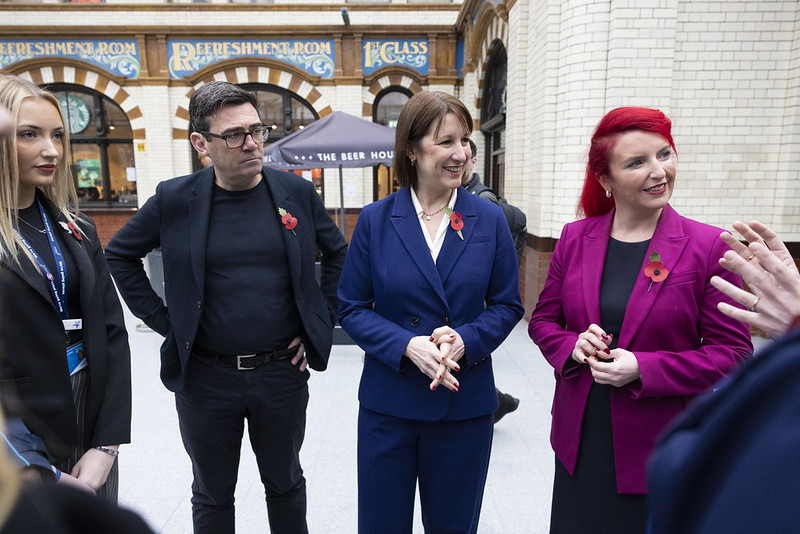
After his first speech to the nation from Downing Street on Monday (July 20), the frenzied speculation over who will get the top jobs under Burnham will come to an end when he begins announcing his Cabinet. Reporting in recent days suggests Shabana Mahmood is tipped to be Chancellor ahead of Ed Miliband, with close ally Louise Haigh – who is thought to be steering Burnham away from Miliband at the Treasury – set to be named Chancellor of the Duchy of Lancaster.
With the Commons in recess until September 1, Burnham has a few weeks to get things into gear. We’re expecting some early policy announcements to help set the direction for his government, and a ‘listening tour’ of the UK in August, with Aberdeen and Port Talbot reportedly among those earmarked for visits.
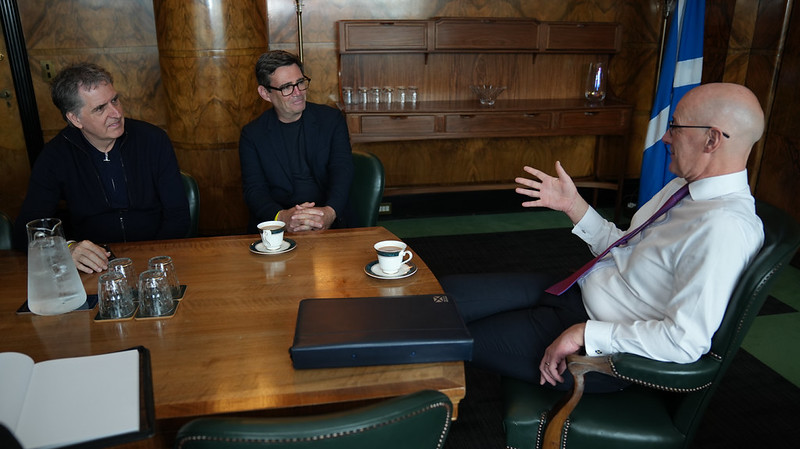
That tour should also include meetings with devolved leaders in Scotland, Wales and Northern Ireland. Burnham faced criticism over comments he made on devolution which Scottish First Minister John Swinney said showed a ‘lack of knowledge’, and will need to show a stronger grasp of devolution beyond Manchester if he wants those relationships to be productive.
On top of trying to get himself into a strong position domestically, Burnham will also have an eye on foreign policy, an area where Keir Starmer was seen to be relatively strong. While UK leaders traditionally make their first foreign stop in the US, Burnham may not be in any rush to meet Donald Trump, who has been dismissive of him in recent weeks. He’s also unlikely to follow through on comments he made over a decade ago which named Israel as his first priority for a visit.
Unlike Starmer, who had a NATO summit to attend within days of taking office, Burnham doesn’t have any set piece events until the UN General Assembly debate opens on September 22, should he choose to attend (leaders usually do, but the UK has often opted to send the foreign secretary in recent years). A UK-EU summit previously scheduled for July 22 was postponed in the wake of Starmer’s resignation, and is now not expected until October. But given Burnham’s vocal desire for a closer relationship with Europe, we could see him prioritise meetings with EU leaders. We’d also expect an early visit to Kyiv to underline his government’s continued support for Ukraine.
KEY DATES
- July 20: Keir Starmer may make a farewell statement at Downing Street before heading to Buckingham Palace to formally tender his resignation to the King. Burnham makes his own trip to the palace, where he will be formally asked to form the next government before making a statement outside Number 10 and getting on with his Cabinet appointments.
- Also July 20-24: Farnborough International Air Show runs throughout the week, providing early chances for new ministers to speak on defence and spending.
- July 30: Greater Manchester Mayoral by-election to replace Burnham, with Labour candidate Bev Craig the favourite to win.
- Also July 30: MPC interest rate decision.
- August 5: Controversial EHRC guidance on single-sex spaces comes into effect, a potential early point of public division within the Labour Party.
- August 10: Jackdaw Gas Field consultation closes. Burnham’s government is expected to decide later this year whether to allow drilling in the Rosebank and Jackdaw North Sea oil and gas fields.
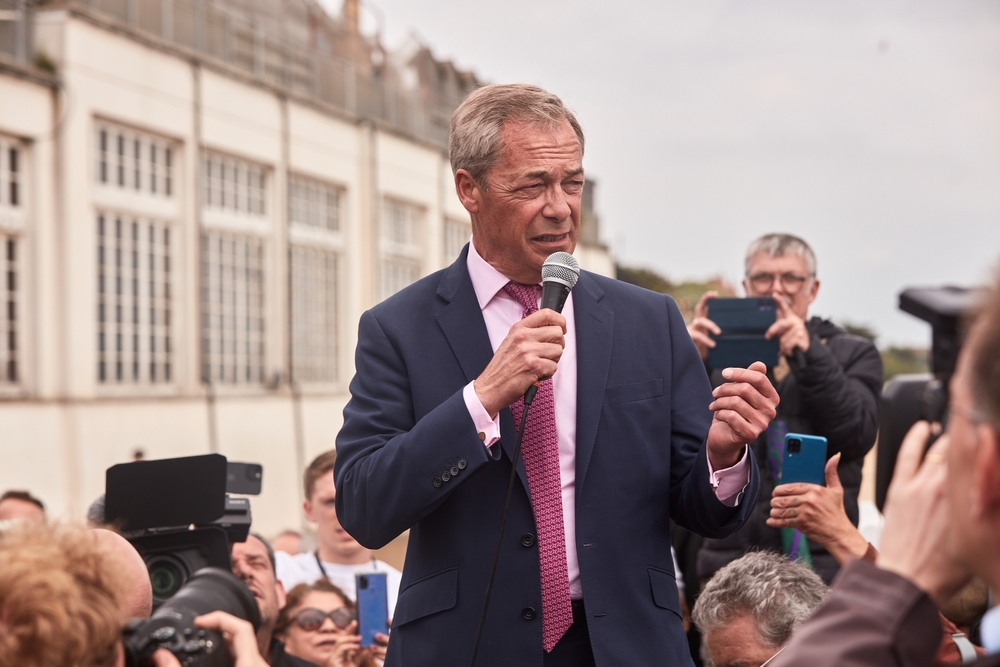
- August 13: Clacton by-election. While Labour is not contesting, it‘ll be closely-watched for any indication of a dip in support for Reform UK leader Nigel Farage and could have knock on effects for how Burnham positions his government.
- Also August 13: Q2 GDP, which covers the period before Burnham took office.
- August 26: Ofgem price cap announced for October as voters continue to worry about rising energy prices caused by the war in Iran.
- August 27: Quarterly immigration and NEET statistics, both policy areas Burnham is looking to focus on.
- September 1: Commons returns from recess.
- September 2: Burnham’s first PMQs.
- Also September 2: Prison early release changes come into effect, with Burnham reportedly looking to tighten the scheme to ensure child sex offenders can’t be eligible.
- September 3: Reform UK party conference will keep the focus on immigration and could put Burnham on the defensive, depending on how the polls are looking.
- September 11: Assisted dying bill returns to the Commons, which Burnham supports in principle but may stay officially neutral on.
- Also September 11: Monthly estimate of GDP covering July.
- September 13: Trades Union Congress opens, a chance to see how unions are responding to Burnham’s government.
- September 17: MPC interest rate decision.
- September 22: UNGA debate opens, in what could be Burnham’s first major moment on the world stage.
- September 27: Labour Party conference opens. Chancellor’s speech takes place on September 28, followed by Burnham’s speech on September 29.
- October: BUDGET. There is speculation Burnham and his new Chancellor could opt for a departmental spending review alongside the spending plans. The rescheduled UK-EU summit could also go ahead this month.
- October 2: First anniversary of the Heaton Park Synagogue attack – you might well expect Burnham in Manchester to mark the date (although it could also be commemorated earlier on September 21 when Jews observe Yom Kippur, the date of the attack in 2025).
- Also October 2: Green Party conference opens, bringing attention to policies that could put pressure on Burnham from left-Labour voters eyeing a defection to the Greens.
- October 4: Conservative Party Conference will look to drag the conversation back over to issues on the right.
- October 15: EU leaders hold their first summit since Burnham took office, an opportunity to discuss their relationship with the UK.
- Also October 15: Monthly GDP covering August, an early look at how the economy is faring under Burnham.
- October 27: BURNHAM’S 100th DAY IN OFFICE.

Andy Burnham / Facebook - November 1: Commonwealth Heads of Government Meeting (CHOGM) in Antigua and Barbuda, a chance to set out Burnham’s vision for the relationship with the Commonwealth.
- November 3: Midterm elections in the United States – and the unpredictability of Trump’s actions around the results – are likely to prove tricky for Burnham to respond to.
- November 5: MPC interest rate decision.
- November 8: Remembrance Sunday Cenotaph service, Burnham’s first big public event with the King.
- November 9: COP31 UN Climate Change Conference in Turkey. Whether Burnham attends could send a signal about his government’s priorities when it comes to climate change and the environment amid stiff opposition from the right to Net Zero policies.
repic / Shutterstock.com - November 12: Q3 GDP, covering the first months of Burnham’s premiership.
- Also November 12: Ireland hosts the European Political Community Summit, a chance for Burnham to meet with European leaders to talk security and migration.
- November 16: Traditional date for the Lord Mayor’s Banquet, which features a major foreign policy speech from the PM, though recently it’s been held later in the year.
- November 23: CBI annual conference. Often a chance for the PM or Chancellor to make their case to business leaders.
- November 25: Ofgem announces the price cap for January.
- November 26: Quarterly immigration and NEET statistics.
- December 14: G20 leaders’ summit in US and another chance to meet with Trump. The UK takes over presidency of the group, meaning Burnham will host next year.
- December 15: NEU strike ballot on teachers’ pay closes, indicating whether Burnham will have a fight with teachers on his hands next year.
- December 17: MPC interest rate decision.
- December 31: Current extension to the fuel duty freeze due to end – if it survives the Budget.
- January 18: World Economic Forum opens in Davos, another chance to burnish international and business credentials.
Foresight News is an intelligence tool for media, government, PR and public affairs professionals to plan editorial coverage and media engagement.
If you’d like to receive our weekly newsletter, you can click here to sign up for free. If you’d like to speak to us about a subscription, email enquiries@foresightnews.com for a free demo and trial access.